
Calendar
Scroll down for upcoming dates and times
Torah Byte
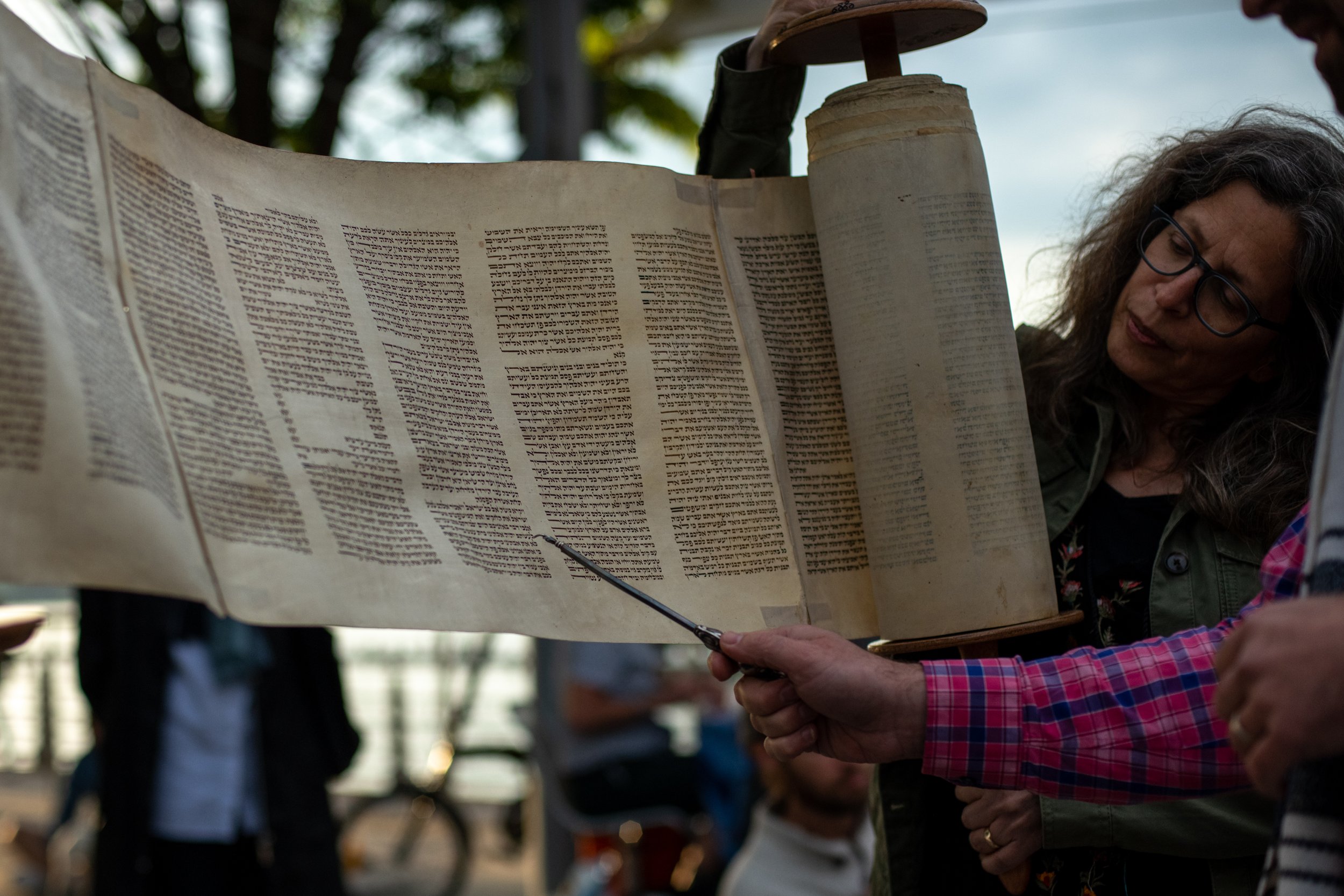
Each of the first four books of the Torah will be explored over the course of two months.
Torah Byte
Each of the first four books of the Torah will be explored over the course of two months.
Home in the Village! Shabbat
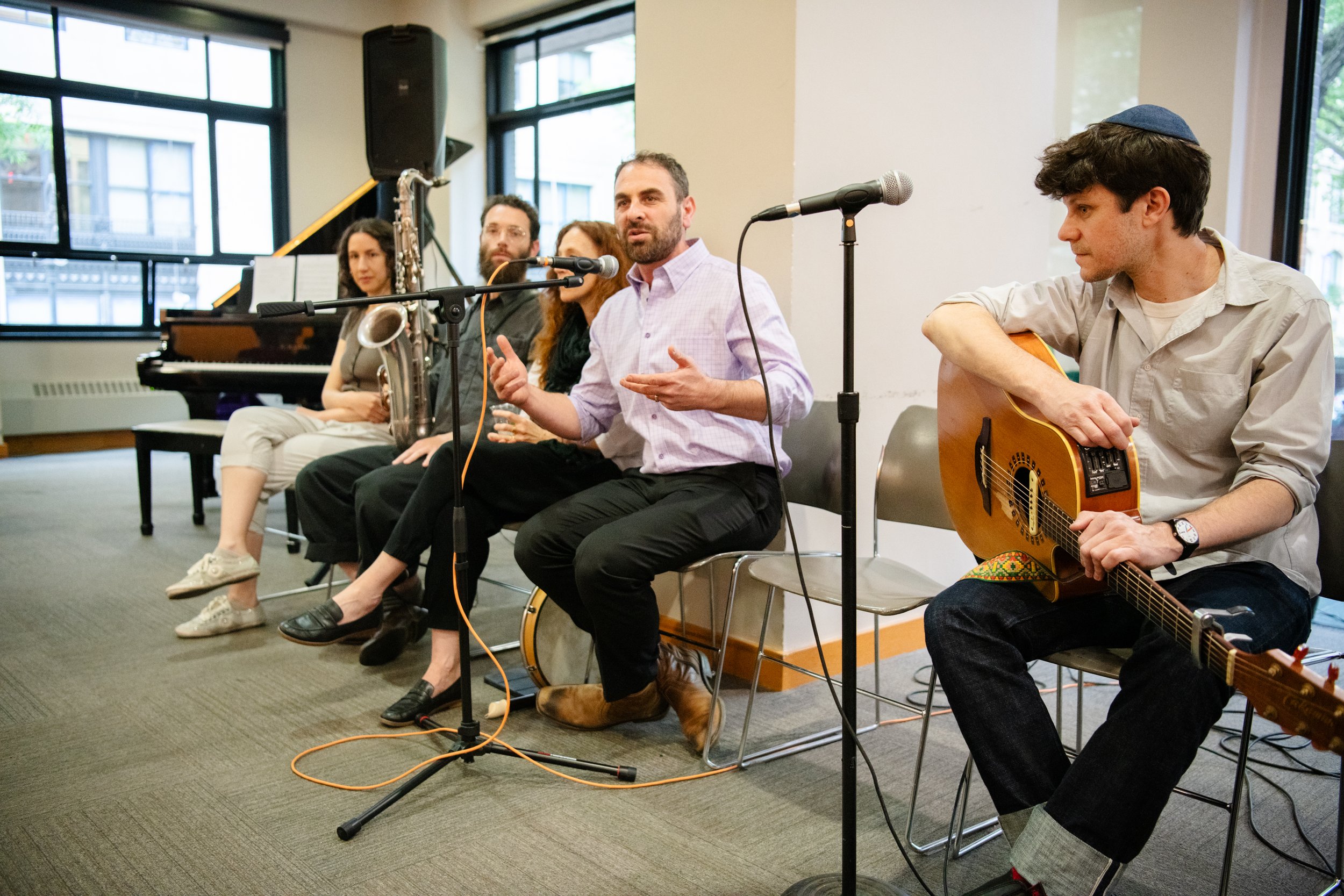
Join us for The New Shul’s Kabbalat Shabbat. Come enjoy incredible depth, spirit, and soulful music. We can’t wait for you to welcome Shabbat with us!

Torah Byte
Each of the first four books of the Torah will be explored over the course of two months.
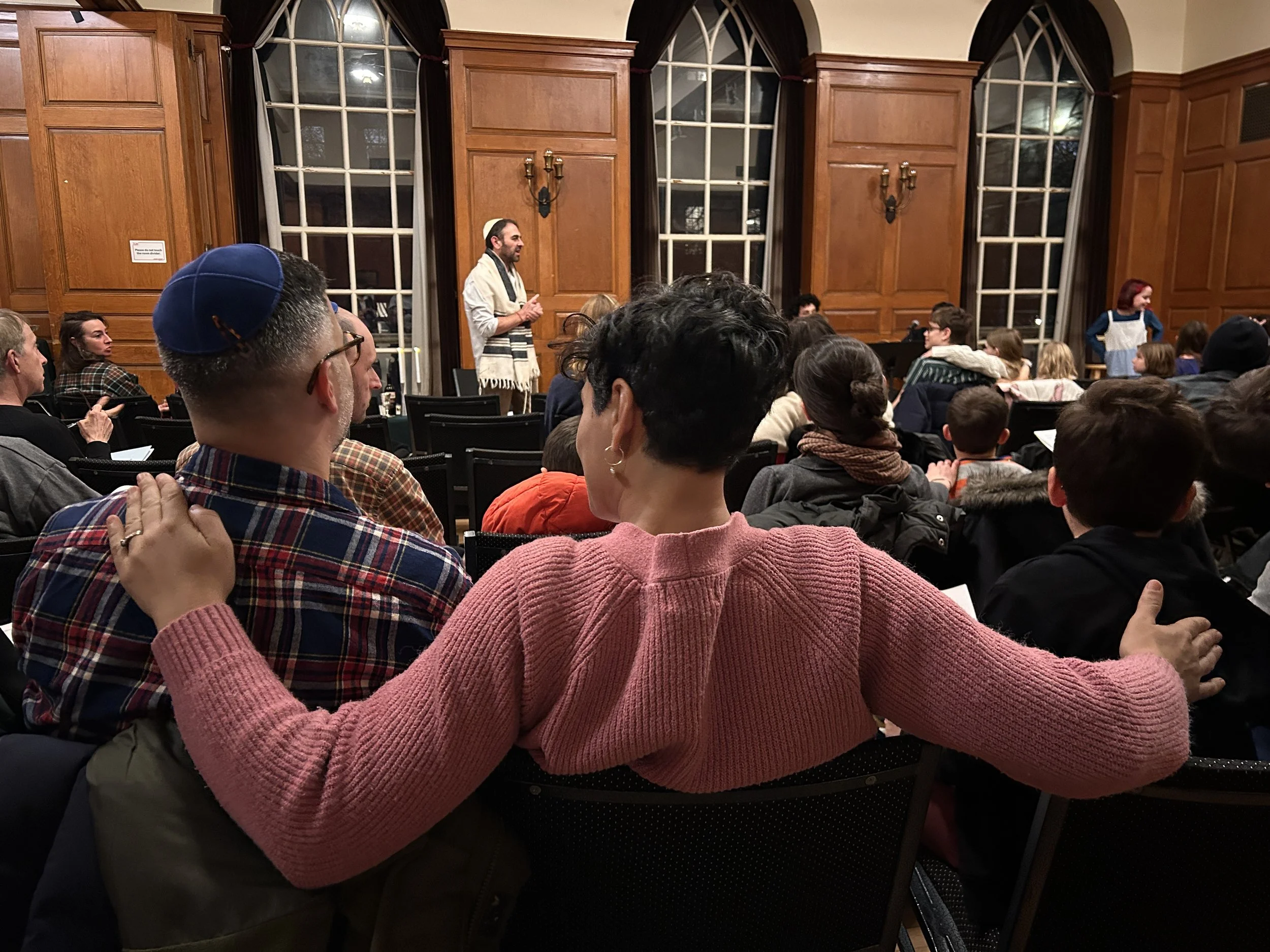
Torah Byte
Each of the first four books of the Torah will be explored over the course of two months.
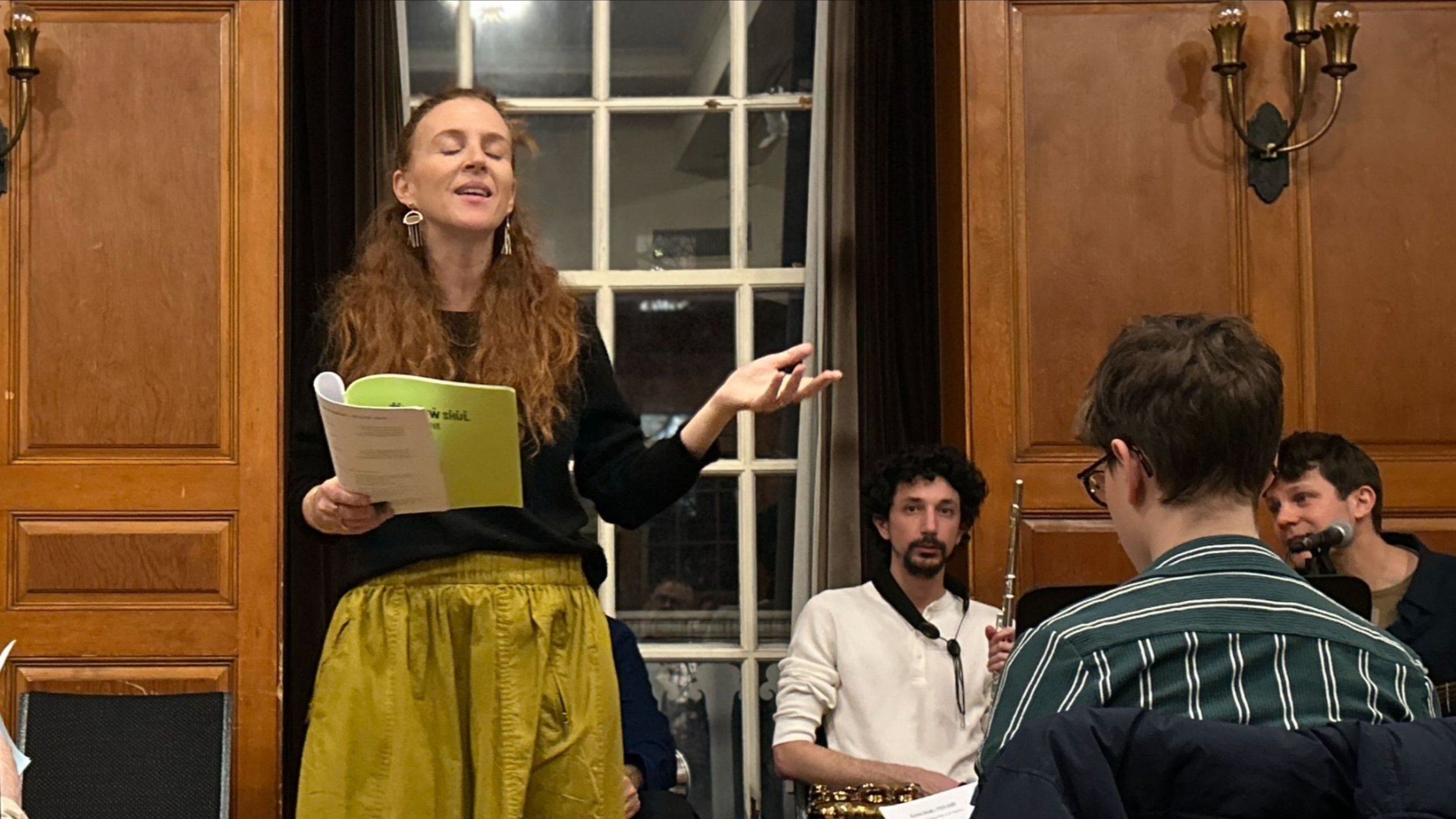
Torah Byte
Each of the first four books of the Torah will be explored over the course of two months.
Torah Byte
Each of the first four books of the Torah will be explored over the course of two months.
Torah Byte
Each of the first four books of the Torah will be explored over the course of two months.
Torah Byte
Each of the first four books of the Torah will be explored over the course of two months.
Torah Byte
Each of the first four books of the Torah will be explored over the course of two months.
Torah Byte
Each of the first four books of the Torah will be explored over the course of two months.
Neilah and Break-fast
The Closing Service — Our musical celebration to end the fast.
6:30 PM - NEILAH
7:30 PM - COMMUNITY BREAK-FAST
*Please dress in white for this event.
(New Shul Members, please find the required password in your membership confirmation email.)
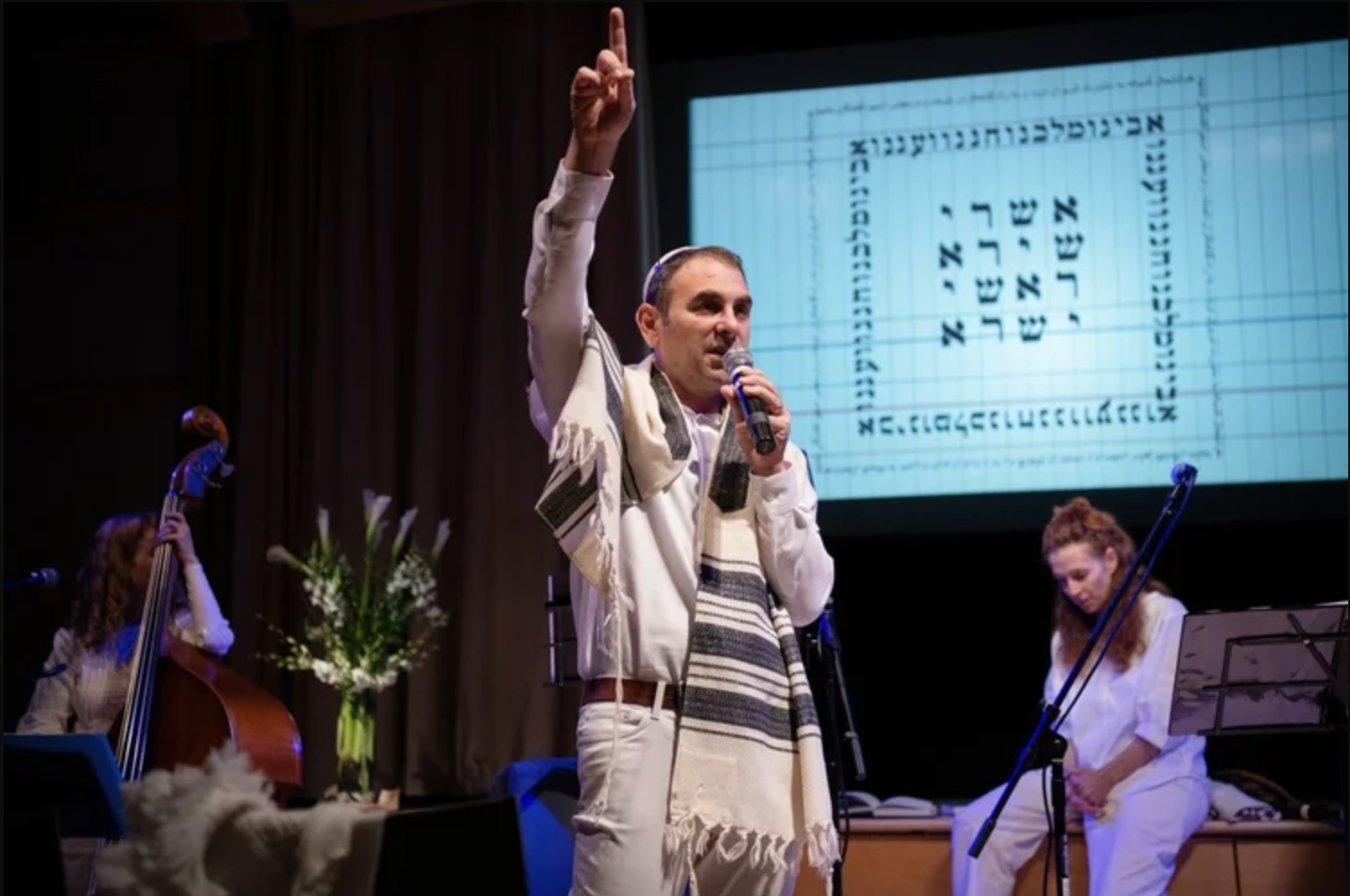
Yom Kippur Afternoon Study
2:00 PM - LET’S BE TOGETHER
Led by Erika Sasson and Sylvia Stein
Join us for a welcoming afternoon of conversation, connection, and reflection. Whether or not you joined us on Erev Rosh Hashanah, come meet others in the community, share in small-group conversations, and reflect together as we step into the new year.
3:15 PM - BEING JEWISH IN THIS MOMENT
Led by New Shul Philosopher-in-Residence Dr. David Ponet
Join us for a conversation about the conundrum facing the New York Jewish community as we navigate today’s confusing landscape: the rise of antisemitism on both the left and the right, alongside our anguish over the actions of the State of Israel.
4:30 PM - STORYTELLING CIRCLE WITH THE ANCESTORS
Led by Lizzie Berne DeGear
Fasting enhances mystical experience — so what better time than Yom Kippur to connect with our ancient ancestors? Lizzie, a member of The New Shul’s Rosh Chodesh “wise woman circle,” will lead us in encountering the women storytellers behind the Bible and sharing our own stories, too.
5:30 PM - PIYUTTIM VeNIGGUNIM
Led by Rabbi Misha Shulman, Ritual Director Daphna Mor, and Frank London
Study an ancient liturgical poem and then come together in song as we prepare to enter the final hours of Yom Kippur.
*Please dress in white for this event.
(New Shul Members, please find the required password in your membership confirmation email.)
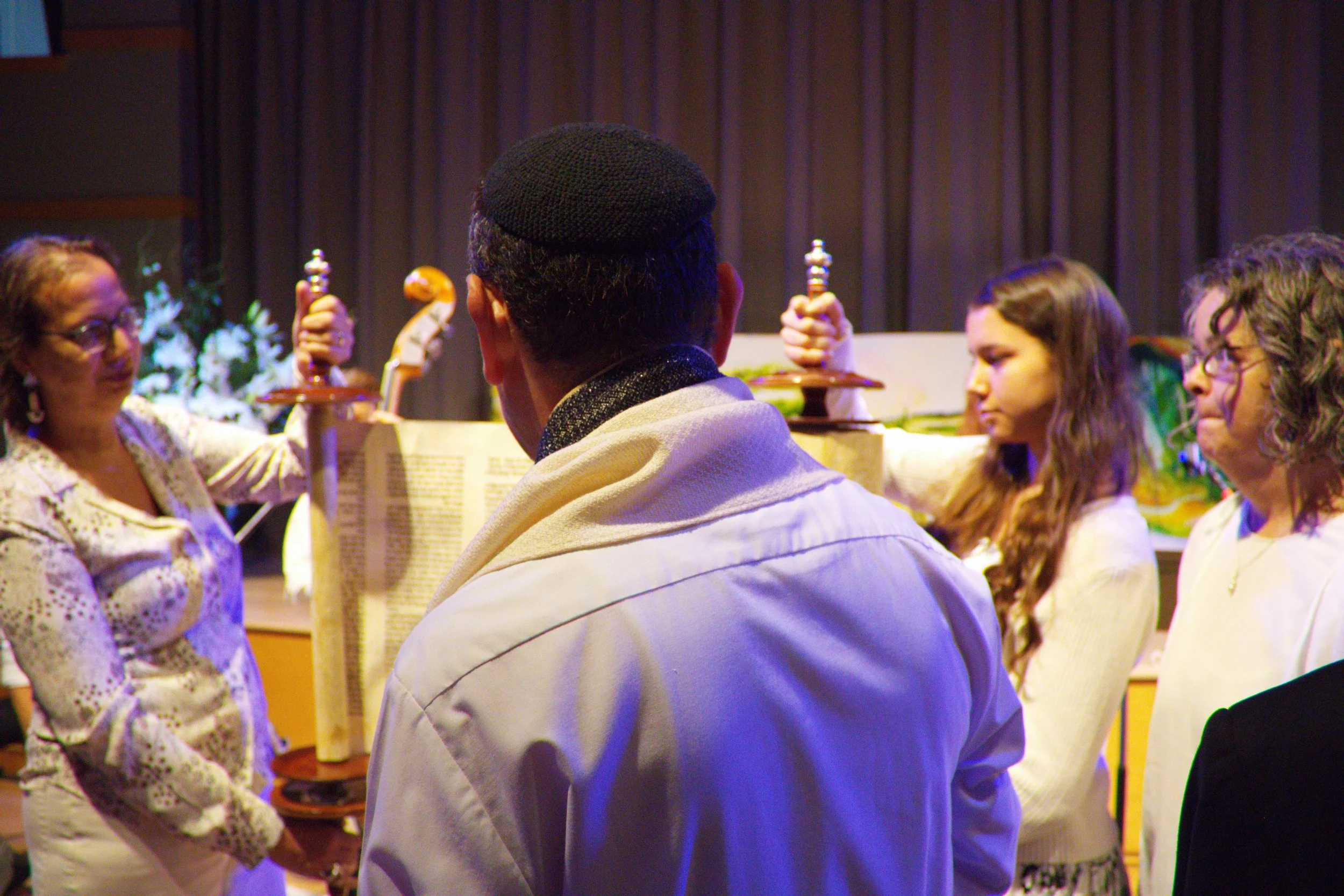
Yom Kippur Morning
With soulful music to the prayers, Torah chanting by teens and adults, and an ode to love in Ladino and Hebrew from the poetry of the Song of Songs, our Yom Kippur will be a celebration of our local partnerships to improve the city we love. Guests will include Pastor Will Kroeze of Trinity Church, Manuela Robles, director of the shelter for unhoused families, the Flatbush Family Residence, multidisciplinary artist and producer, Zaire Baptiste and Jews for Racial and Economic Justice (JFREJ) Executive Director, Audrey Sasson.
10:00 AM - YOM KIPPUR SERVICE
1:00 PM - YIZKOR
*Please dress in white for this event.
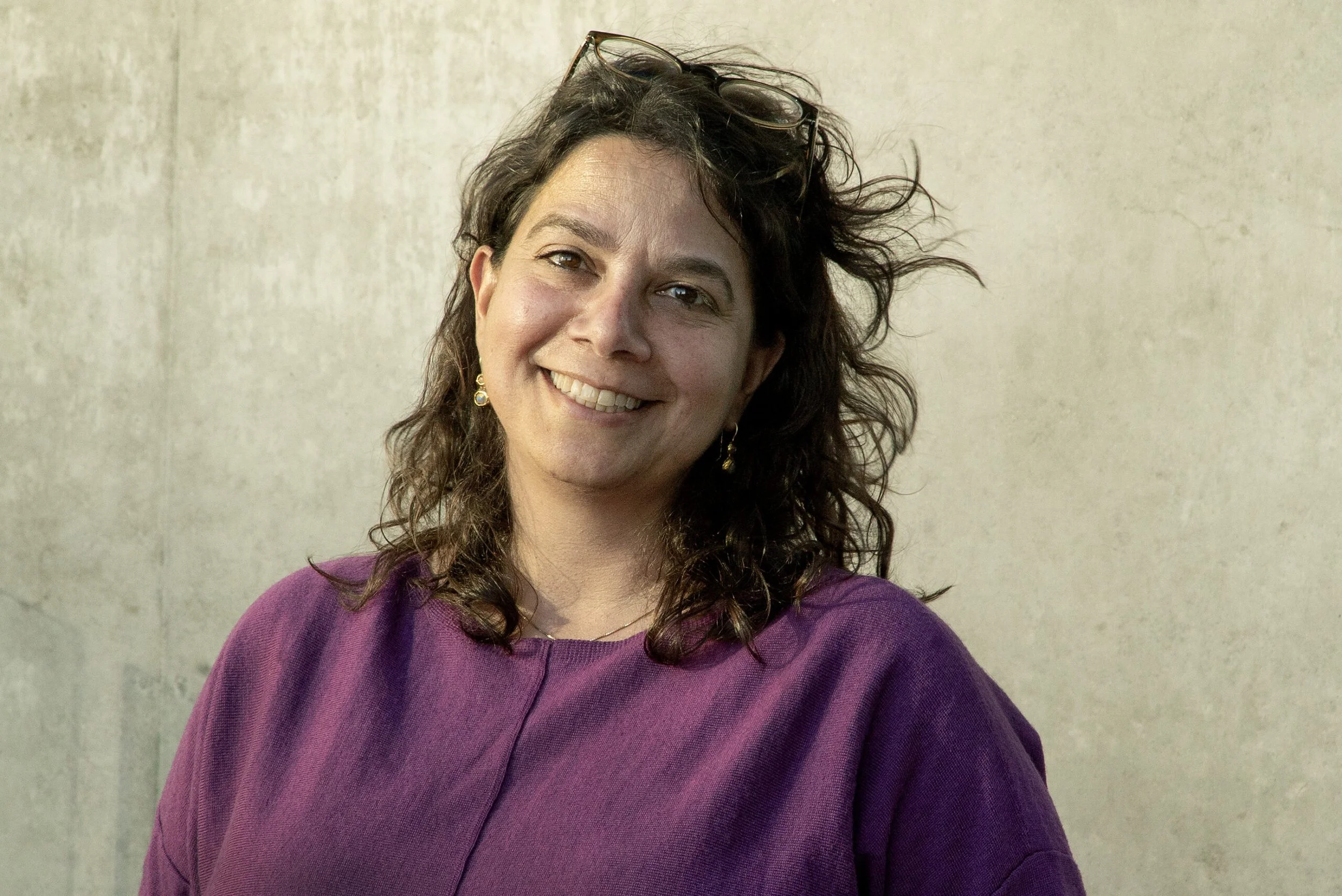
We are thrilled that Audrey Sasson, Executive Director of Jews for Racial & Economic Justice (JFREJ), will be our featured speaker on Yom Kippur morning.
Audrey is a longtime organizer and a leading voice in New York’s Jewish social justice community. For nearly 30 years, she has worked at the intersection of Jewish life and social change as a community organizer, and campaign leader, focusing on issues including immigrant and workers’ rights, disability rights, housing, racial justice, antisemitism, and Israel/Palestine.
More recently, Audrey has helped make JFREJ an influential player in local U.S. electoral politics, and in local protests calling to stop Israel’s destruction of Gaza, advocating for a ceasefire and campaigns such as “Not One More Bomb.”
As the first Mizrahi leader to serve as JFREJ’s Executive Director, Audrey has led the organization since 2017, helping build a grassroots Jewish community of more than 6,000 members working across New York City for a more just and caring city.Audrey’s presence feels especially meaningful as we explore this year’s High Holiday theme, Eyn Od — This Is It. As Rabbi Misha writes, “If you want to transform your life, if we want to improve our world, the first step is to make peace with what is.” Audrey’s life and work ask a related question: given the world as it is, what are we called to do — here, now, and together?
A guiding principle for both Audrey and JFREJ is the Yiddish concept of Doykeit, or Here-ness. This Yom Kippur, as we focus on our local issues and partnerships, we are excited to hear from Audrey and discuss what being Jewish means in this moment in our city and our people's history.
(New Shul Members, please find the required password in your membership confirmation email.)
Children’s Programming
Creative, engaging, and meaningful experiences for kids of all ages.
At The New Shul, we believe the High Holy Days should be a time of connection and inspiration for the entire family. That’s why we’re offering dynamic, age-appropriate programming for children during our services this Holiday season. We also pride ourselves on our intergenerational approach to many of the main services, so children will be able to choose whether to spend their time with their parents in the sanctuary, with the children’s programming in the lunch room or hanging out with their friends upstairs.
All sessions will be taught and led by educators from the School for Creative Judaism (SCJ), ensuring thoughtful, joyful, and age-appropriate experiences rooted in creativity and meaning.
Yom Kippur Morning:
While our Tots enjoy their own musical service upstairs, the main sanctuary service will be truly intergenerational, with children and teens taking an active role by chanting Torah, offering creative dramatic interpretations of the readings, and singing with the Creative Judaism Choir.
11:00 AM–12:30 PM – Creative Learning & Arts Program (Ages 5–12)
Children will have a morning of creative Jewish learning through storytelling, philosophical discussion, hands-on art, and interactive activities. They will also put the finishing touches on the interactive theater production they began on Rosh Hashanah and share their performance with the community. For children who prefer a less structured experience, supervised games, crafts, and free-play activities will also be available throughout the morning.
Pricing:
$36 per child per service or $120 for all services.
Free for New Shul Members.
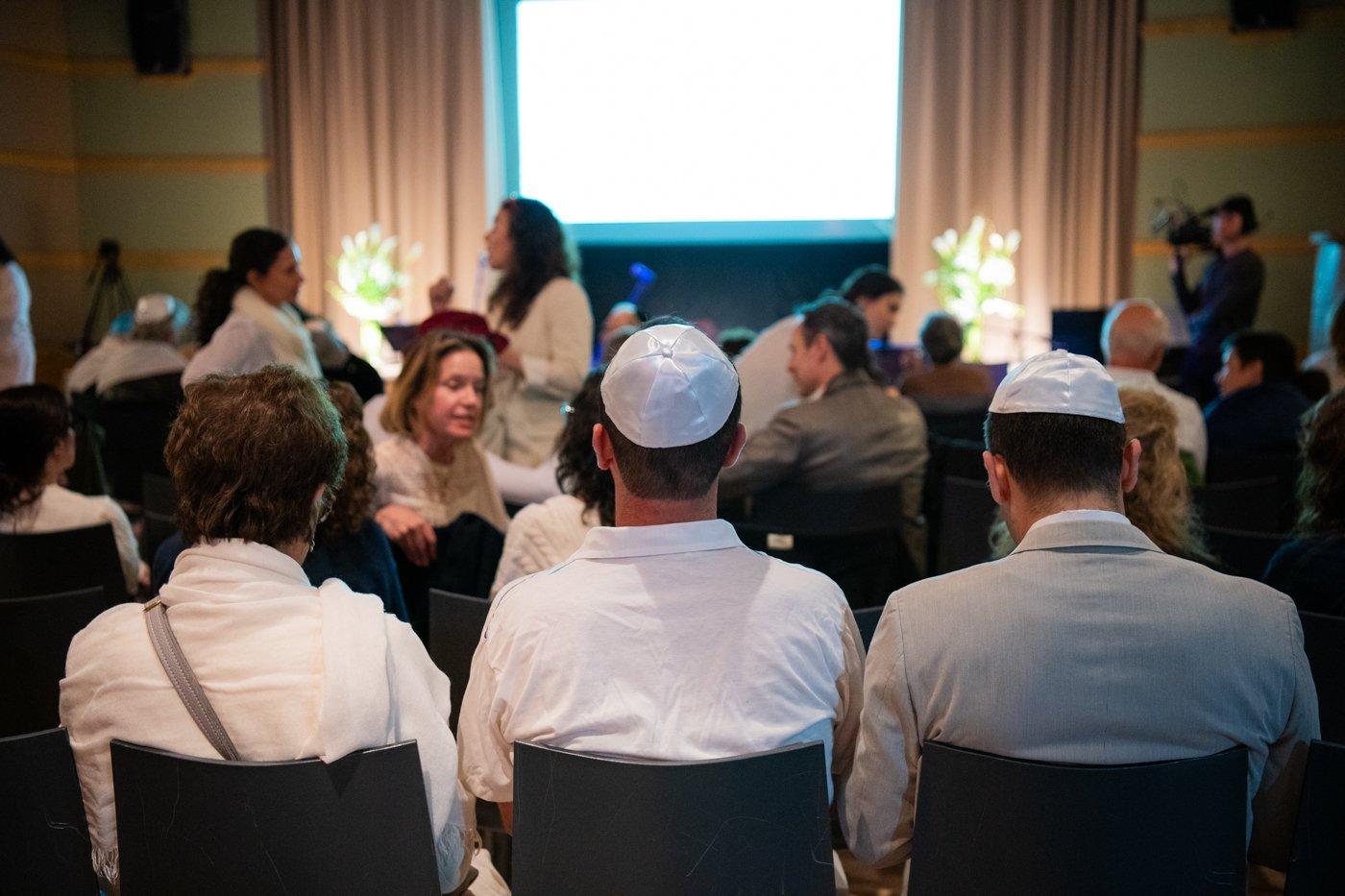
Kol Nidre
The opening service of Yom Kippur, with the prayer sung by Daphna Mor and Saskia Lane, followed by meditations on what both the Jewish and Hindu tradition consider the single most helpful instruction for good living.
(New Shul Members, please find the required password in your membership confirmation email.)
*Please dress in white for this event.
Kol Nidre Appeal
As we prepare for the Days of Awe, we’re trying something new this year: we will not be making a fundraising appeal during our Kol Nidre service. We want to preserve that sacred time for reflection and connection, free from interruption.
But we can only make this possible with your support.To sustain this experiment and help cover the real costs of our High Holiday services and vibrant year-round programming, we’re asking for a generous advance contribution from those who can make it.
You can use THIS FORM or donate in any of the following ways:
Venmo: @TheNewShul (please note “High Holiday Donation” in the memo)
Zelle: giving@newshul.org
By Mail: Send a check payable to The New Shul to The New Shul, P.O. Box 380577, Brooklyn, NY, 11238
Your generosity ensures we can continue to be a welcoming and inclusive community, for the High Holidays and beyond. Thank you.
Children’s Programming
Creative, engaging, and meaningful experiences for kids of all ages.
At The New Shul, we believe the High Holy Days should be a time of connection and inspiration for the entire family. That’s why we’re offering dynamic, age-appropriate programming for children during our services this Holiday season. We also pride ourselves on our intergenerational approach to many of the main services, so children will be able to choose whether to spend their time with their parents in the sanctuary, with the children’s programming in the lunch room or hanging out with their friends upstairs.
All sessions will be taught and led by educators from the School for Creative Judaism (SCJ), ensuring thoughtful, joyful, and age-appropriate experiences rooted in creativity and meaning.
Kol Nidre:
Children will begin the evening by joining the community for the first 20 minutes of the Kol Nidre service, giving them an opportunity to experience the beauty, music, and significance of this powerful moment. They will then continue developing the interactive theater presentation based on the story of Hannah that they began on Rosh Hashanah. Afterward, children will have the option to break into age groups for arts and crafts, hands-on activities, and age-appropriate learning.
Pricing:
$36 per child per service or $120 for all services.
Free for New Shul Members.

Tashlich
Each of the first four books of the Torah will be explored over the course of two months.
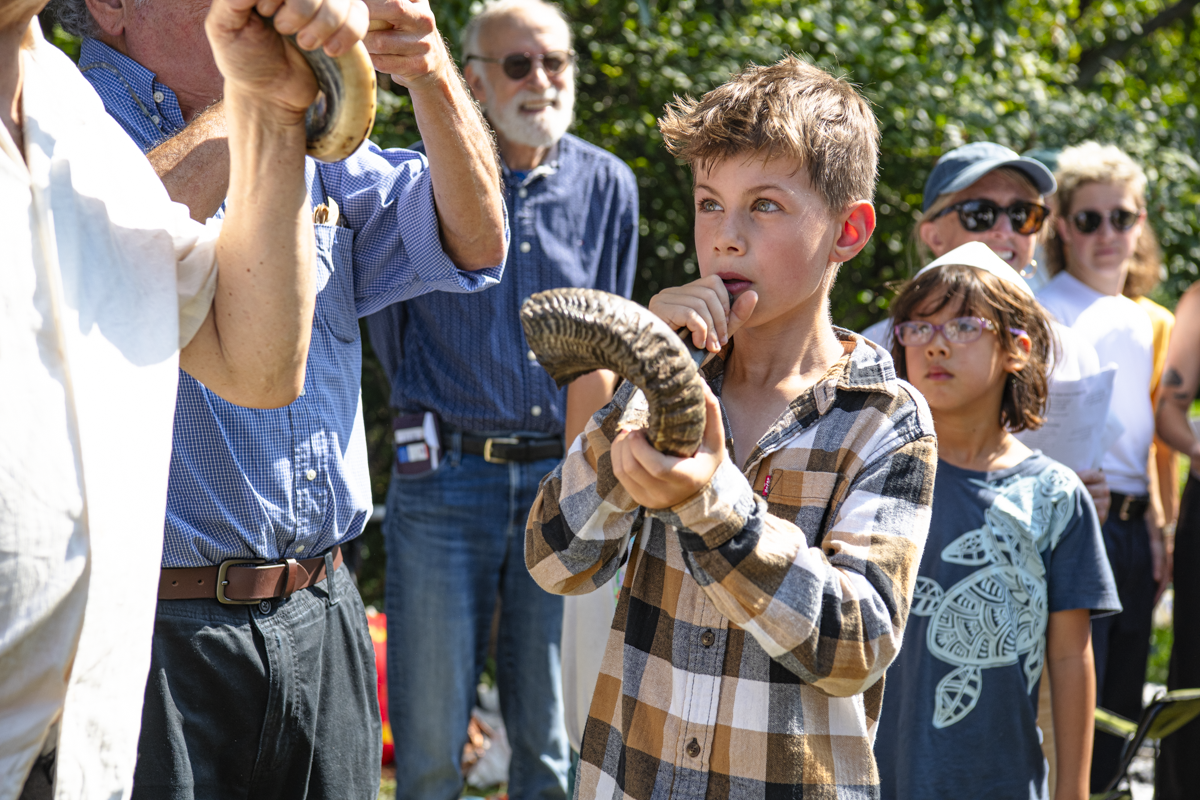
Rosh Hashanah TNS
Each of the first four books of the Torah will be explored over the course of two months.
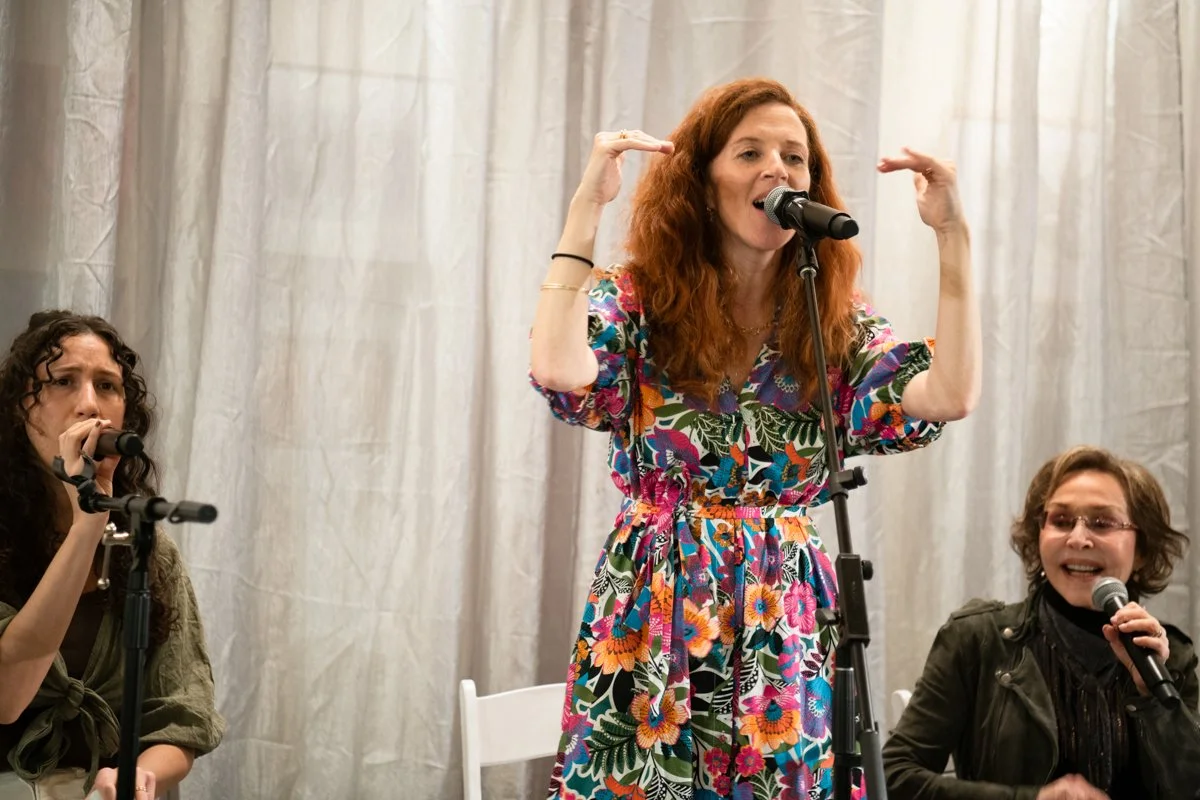
Rosh Hashanah BEINEINU
Each of the first four books of the Torah will be explored over the course of two months.
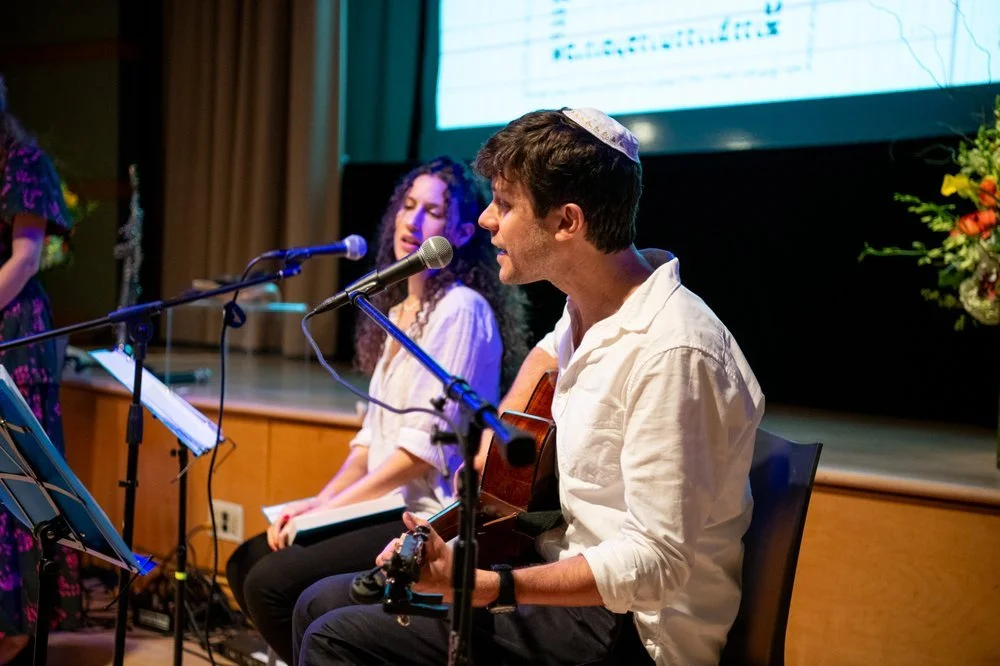
Erev Rosh Hashanah
Each of the first four books of the Torah will be explored over the course of two months.
Torah Byte
Each of the first four books of the Torah will be explored over the course of two months.
Torah Byte
Each of the first four books of the Torah will be explored over the course of two months.
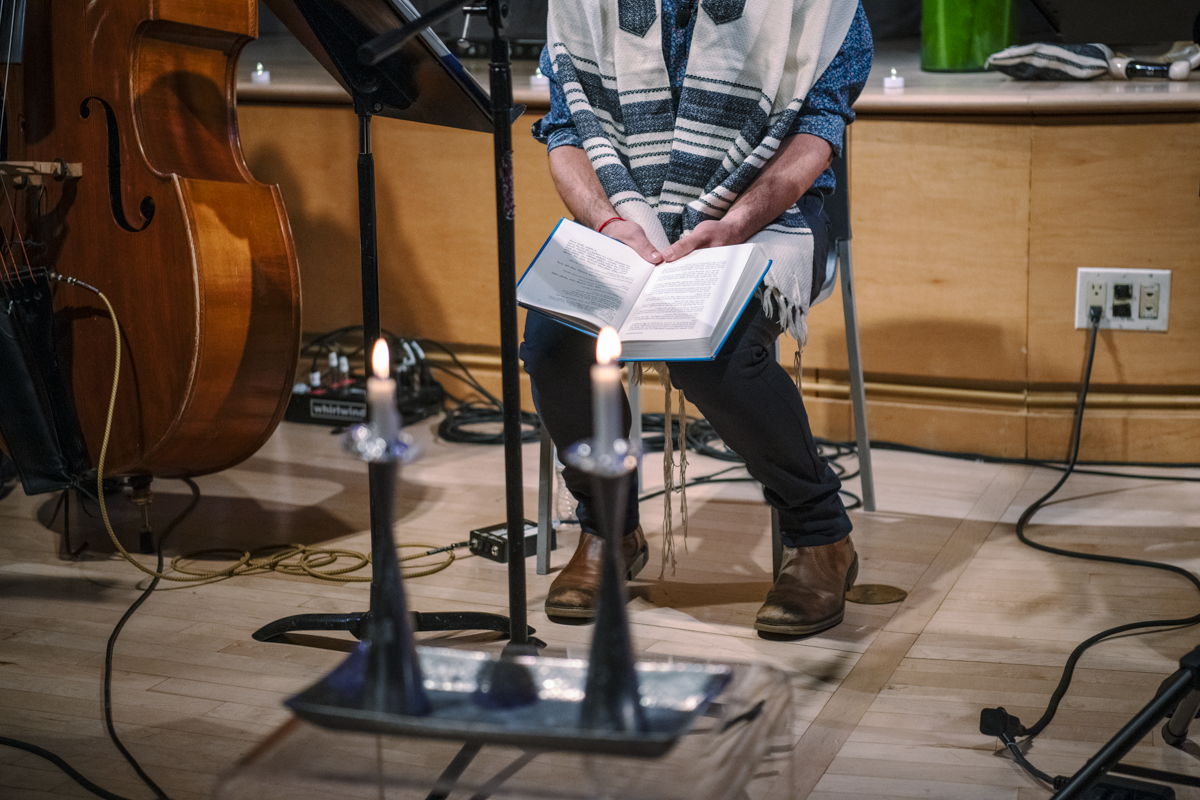
Monthly Morning Minyan
Each of the first four books of the Torah will be explored over the course of two months.
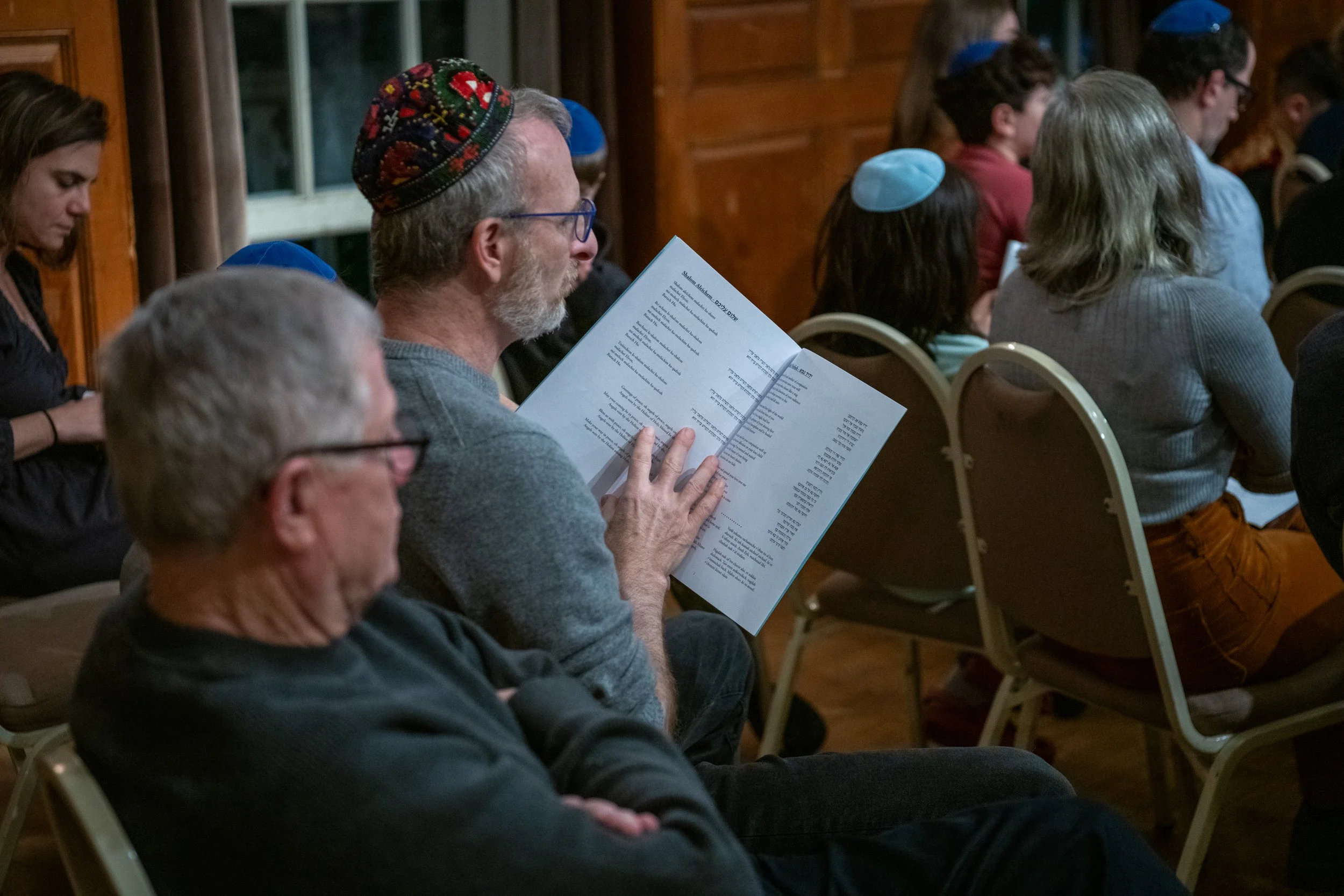
Kabbalah & Healing 2: The Sephirot and You
The Tree of Life ("Etz Chayim") is a central metaphor in Kabbalah. Its main components, the Sephirot, can be seen as the layers of consciousness that comprise human awareness, and that connect us with the Divine. In this chevrutah, led by Jeff Casper, we'll focus on six of the 10 Sephirot, one pair at a time, and explore how we experience them in our own lives and bodies. Through readings, discussion, and embodied exercises, we'll taste the particular flavor of Wholeness that each Sephira offers, and maybe even allow our own edges to soften in response.
[While this is the second Kabbalah and Healing offering, you don’t have to have attended the first one to attend this one. We did cover the Creation Myth in more detail than we’ll have time for this time around, so if you’d like to have some more background, please reach out to susan@newshul.org
Torah Byte
Each of the first four books of the Torah will be explored over the course of two months.

Torah Byte
Each of the first four books of the Torah will be explored over the course of two months.
Monthly Morning Minyan
Each of the first four books of the Torah will be explored over the course of two months.
Kabbalah & Healing 2: The Sephirot and You
The Tree of Life ("Etz Chayim") is a central metaphor in Kabbalah. Its main components, the Sephirot, can be seen as the layers of consciousness that comprise human awareness, and that connect us with the Divine. In this chevrutah, led by Jeff Casper, we'll focus on six of the 10 Sephirot, one pair at a time, and explore how we experience them in our own lives and bodies. Through readings, discussion, and embodied exercises, we'll taste the particular flavor of Wholeness that each Sephira offers, and maybe even allow our own edges to soften in response.
[While this is the second Kabbalah and Healing offering, you don’t have to have attended the first one to attend this one. We did cover the Creation Myth in more detail than we’ll have time for this time around, so if you’d like to have some more background, please reach out to susan@newshul.org
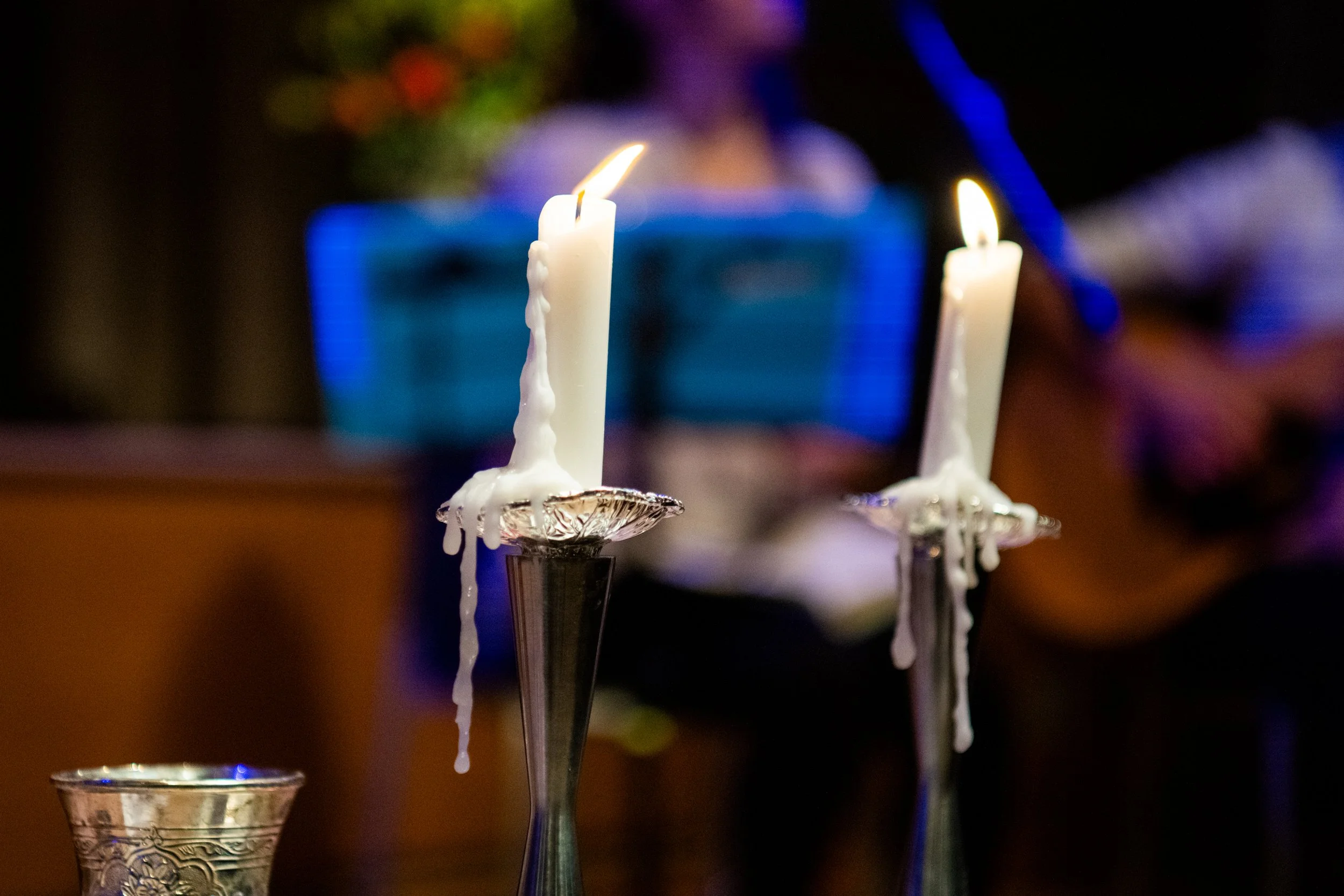
Monthly Morning Minyan
Each of the first four books of the Torah will be explored over the course of two months.
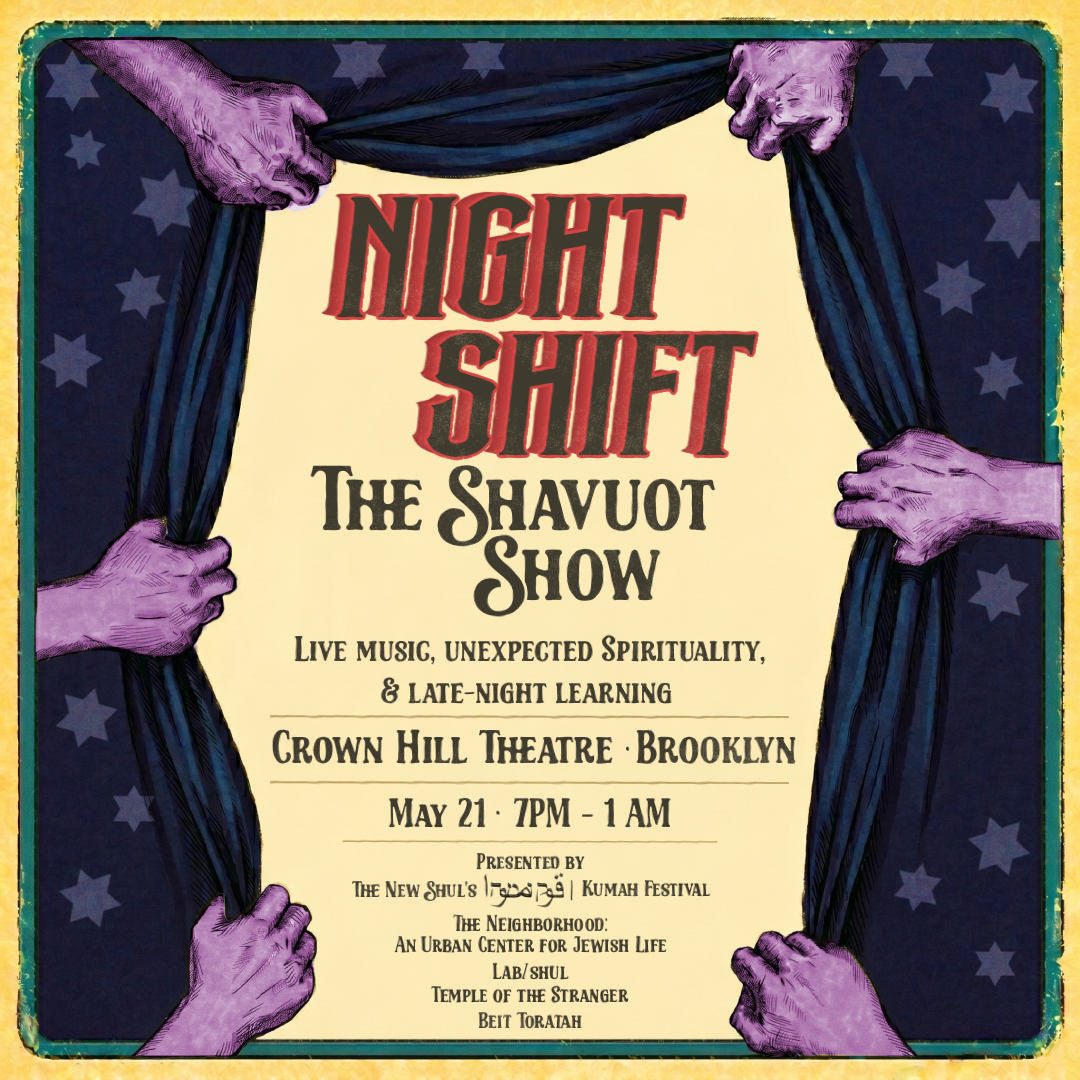
Night Shift: The Shavuot Show
At Night Shift: The Shavuot Show, we’ll be staying up late with live music, immersive ritual, radical text study, sensational drag, and more! Shavuot is the Jewish holiday of revelation, often observed through late-night Torah study. This year, The New Shul, The Neighborhood, Temple of the Stranger, Beit Toratah, and friends invite you to come early and stay late for a mind-opening, community-building, heart-expanding experience of art, culture, and spirituality.
Artists & Thought Leaders: Tal Mashiach Who's Around, Abbi G'zunt, Rabbi Misha Shulman, Shira Kline, Rav Jericho Vincent, Yael Kanarek, and friends!
Kabbalah & Healing 2: The Sephirot and You
The Tree of Life ("Etz Chayim") is a central metaphor in Kabbalah. Its main components, the Sephirot, can be seen as the layers of consciousness that comprise human awareness, and that connect us with the Divine. In this chevrutah, led by Jeff Casper, we'll focus on six of the 10 Sephirot, one pair at a time, and explore how we experience them in our own lives and bodies. Through readings, discussion, and embodied exercises, we'll taste the particular flavor of Wholeness that each Sephira offers, and maybe even allow our own edges to soften in response.
[While this is the second Kabbalah and Healing offering, you don’t have to have attended the first one to attend this one. We did cover the Creation Myth in more detail than we’ll have time for this time around, so if you’d like to have some more background, please reach out to susan@newshul.org