
A New Relationship with the Holocaust
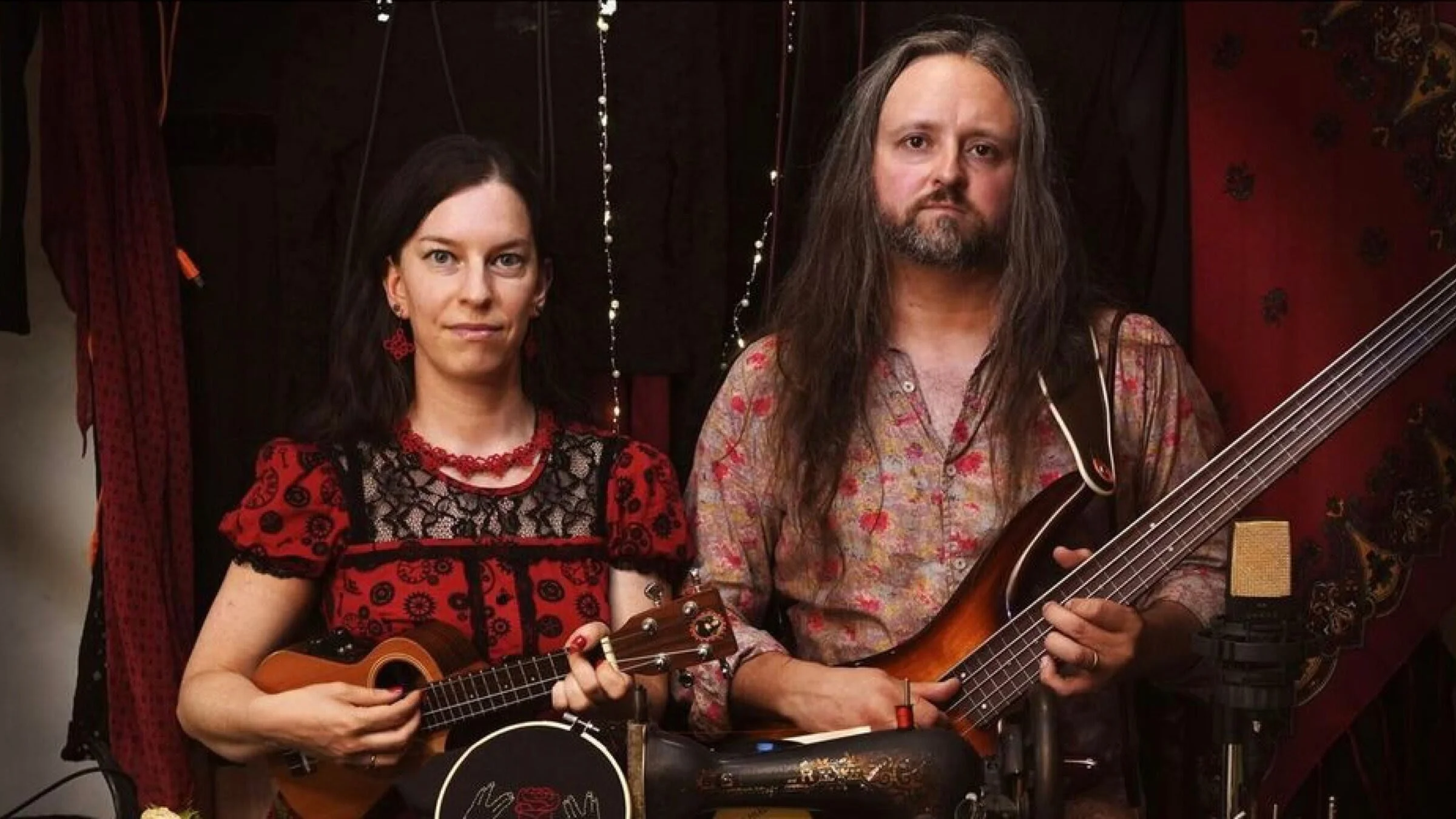
Sarah Myerson and Ilya Shneyveys will be our musical guests this evening at Yiddish Shabbes
Dear friends,
The condensed version of this note is that we're going to have an amazing Shabbat with incredible musicians from the Yiddish music scene in New York tonight, and you should come. Join us for some study at 6pm, or just come for the service at 6:30. And here's the longer version:
Close to two decades ago, the former head of the World Zionist Organization, and Chairman of the Knesset, Avraham Burg published a book entitled The Holocaust is Over ; We Must Rise from its Ashes. In the book he lays out how the memory of the Holocaust has consumed Jews around the world, and Israelis in particular, and has played a decisive role in the destructive politics of the Jewish state. It’s time, he argued, for a new relationship with the Holocaust. Burg, whose mother was a survivor and father was the chairman of the Orthodox Zionist party in Israel, is today a leading voice for a political reformulation of the Holy Land, based on full equality for all those living there regardless of ethnicity and religion.
I thought of his book earlier this week, when I had the opportunity to hear Maoz Yinon and Aziz Abu Sara speak in the Upper West Side on the eve of Yom Hashoah, Holocaust Remembrance Day. Their conversation with Jon Stewart earlier that day (video in the link or at the bottom of this letter) captured a lot of Burg was hoping for when he wrote his book. I highly recommend watching their segment on The Daily Show, in which they describe how they overcame losing their loved ones, Maoz on 10/7 and Aziz years earlier, and instead focusing on peace building. Watching these two friends from across the divide speak on Yom Hashoah with humor and love about the ways in which they overcame serious trauma was an inspiring way to mark that normally sad day.
The following day I spoke with a group of 40 kids at our Hebrew school about Holocaust remembrance. I asked them how we know which sad things we should remember, and which we should forget. There was general agreement that the Holocaust fell into the category of things we should remember. “Knowing our history,” said 9-year-old Izzy, “is strength. Remembering who you are is power.” And suddenly, like a flash of lightning, I remembered how I used to see Holocaust memory. “What you just said,” I told him, “is the reason your parents send you here to learn.”
But what would our lives look like if we placed less value on remembering, and less judgement on forgetting? What would happen to Israel if it took Burg’s advice and completely transformed its relationship with the Holocaust? Where would our people walk towards if we didn’t spend so much of our time and energy protecting the burden of the Shoah that we carry on our collective shoulders? What would we remember instead, if we allowed ourselves to release a piece of our trauma?
When Jorge Luis Borges was asked if , he answered, “Forgetting is the only form of forgiveness;” said Jorge Luis Borges when he was asked if he’d forgiven the Peronists of Argentina. “It’s the only vengeance and the only punishment too.”
I contemplate these questions within the confines of the fact that we live with the Holocaust, and will continue to do so whether we like it or not. The world wouldn’t allow us anything else even if we were able to make a change.
But since 1945 we have been selective about what to focus our memory - and our forgetfulness - on. I, for example, like the vast majority of Ashkenazi Israelis, have almost entirely lost my Yiddish heritage, because of the conscious national choice to forget Yiddish and adopt Hebrew. I hear Burg’s book as a call to reconfigure our national memory as a positive instead of a negative: what is it that we are and have always been to ourselves, not to others, including those who tried to kill us. It’s an invitation to think less about survival and more about living. Holocaust memory can trap us what they did to us to such a degree that we risk forgetting who we are. When you’re always on defense, it’s hard to create offense.
It's for all these reasons that for the past couple of years, we have been marking Yom Hashoah at the Shul by celebrating Yiddish music and language. It’s true that most Yiddish speakers were killed in the Holocaust. But it’s also true that it’s a living language and culture, and our fair city is its epicenter. Tonight we will be hosting two of the leading musicians in the Yiddish music scene here, accordionist Ilya Shneyves and multi-instrumentalist, Yiddish dance leader and cantor Sarah Myerson. Ilya and Sarah will sing Yiddish melodies in Hebrew and Yiddish, and play the old sounds with their incredible talent and spirit.
I hope you can join me this evening for Yiddish Shabbes, where we will turn our memory to our prized Yiddish heritage, even as we invoke the memory of the six million who were murdered and pray that their memory will act in our world Livracha, as a blessing.
Shabbat shalom and chodesh tov,
Rabbi Misha